
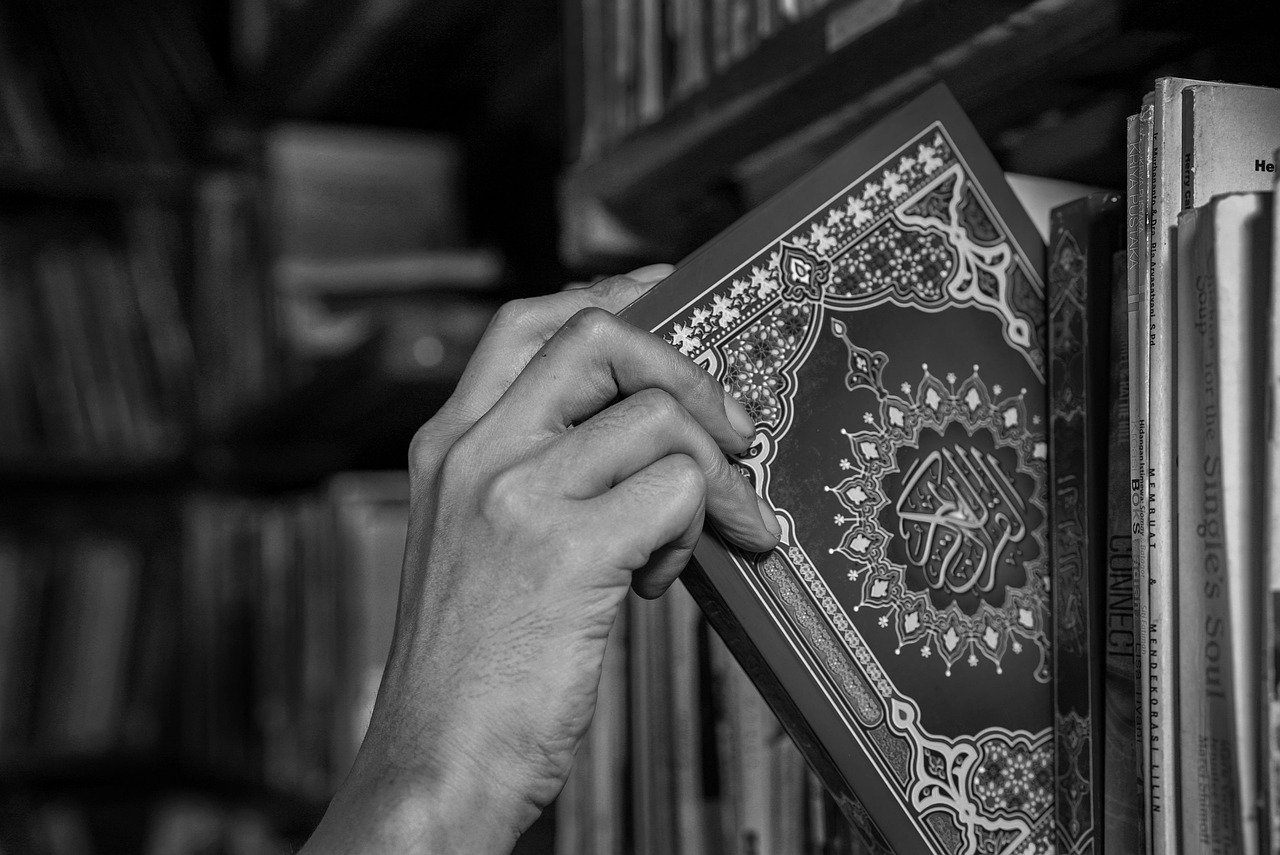
The Quran holds timeless wisdom for those who seek a life aligned with Islamic principles. Every chapter provides guidance for Muslims, serving as a roadmap for living a life according to Allah’s pleasure. One such chapter is Surah Kahf. Mentioned several times in hadiths for protection against Dajjal, this surah not only protects faith but is also a perfect way to gain blessings.
Each verse of this chapter carries a message beneficial for every Muslim. However, this blog will explore the first ten verses of Surah Kahf, their message, and their significance.
Prophet PBUH & The First 10 Verses
The trial of Dajjal is one of the biggest trials that humanity will ever face. The Prophet PBUH warned against it in numerous hadiths. He gave his ummah certain ways to protect themselves against it. One such way is through the first ten verses of Surah Kahf. The Prophet PBUH states,
“If anyone learns the first ten verses of Surah Kahf by heart, then he will have protection against the Dajjal.”
The Verses & Their Significance
The first ten verses of Surah Kahf highlight different messages on shirk, the reward for believers, and the punishment for disbelievers, as well as the beginning of the story of “The Cave.”
Verse 01
“Praise be to Allah, Who hath revealed the Scripture unto His slave, and hath not placed therein any crookedness.”
The opening verse of this chapter starts with the praise of Allah and the mention of the Prophet PBUH, as he was the one to whom the Quran was revealed. It reminds Muslims that the Quran is free of error and provides lifetime guidance for those who seek it.
Verse 02-03
“(But hath made it) straight, to give warning of stern punishment from Him, and to bring unto the believers who do good works the news that theirs will be a fair reward. Wherein they will abide forever.”
The second and third verses continue on from the first and state that the Quran is a straightforward book. These verses also mention the reward for the believers and the punishment for the disbelievers. It gives the believers good news about their reward in the hereafter and states that they will live in it for eternity.
Verse 04
“And to warn those who say, ‘Allah hath chosen a son.’”
This verse warns against shirk. It clearly states that Allah is one and has no partners. It reinforces the concept of Tahweed (oneness of Allah).
Verse 05
“(A thing) whereof they have no knowledge, nor (had) their fathers. “Dreadful” is the word that comes out of their mouths. They speak naught but a lie.”
This verse highlights that those who say Allah has a partner are talking about things that are fabricated and made up. It has no basis. It emphasizes the importance of speaking the truth.
Verse 06
“Yet it may be, if they believe not in this statement, that thou (Muhammad) wilt torment thy soul with grief over their footsteps.”
This verse takes a different tone than the others. In this ayah, Allah SWT is directly talking to the Prophet PBUH. Allah is telling the Prophet PBUH not to grieve because people don’t believe in the Quran. This ayah reflects the sorrow Muhammad PBUH felt for those who turn away from guidance.
And if he felt sad for the disbelievers rejecting the truth, then one can imagine the love he had for his own ummah. Therefore, this verse also serves as a way to remind Muslims to do good deeds so the Prophet PBUH can feel proud of us on the Day of Judgment.
Verse 07
“Lo! We have placed all that is in the earth as an ornament thereof that We may try them: which of them is best in conduct”
This verse reflects the temporary nature of this world. It highlights that the earth is adorned with transient beauty, and the only thing that is going to last is our deeds. This verse gives Muslims hope and emphasizes that the wonders of this world are all trials, and the hereafter is what one should prepare for.
Verse 08
“And lo! We shall make all that is therein a barren mound.”
This verse once again states that the world will be barren at one point. All its beauty will be wiped out, and nothing will remain. This ayah serves as a reminder to detach from worldly possessions and to focus instead on the reward that Allah will give to good Muslims, striving for it.
Verse 09
“Or deemest thou that the People of the Cave and the Inscription are a wonder among Our portents?”
This verse introduces the story of the people of the cave. It is a story of a group of young Christians who hid inside a cave to escape the persecution by the pagans around 250 C.E. The miracle of this story is that Allah made them sleep for more than 300 years, and no harm came to them. This verse underscores the wonder of Allah’s power and reinforces that if one believes in Him, He will provide for them in ways they can’t even imagine.
Verse 10
“When the young men fled for refuge to the Cave and said, ‘Our Lord! Give us mercy from Thy presence, and shape for us right conduct in our plight.”
This ayah continues the story and links to when the group entered the cave and asked Allah for mercy and kindness. It highlights the power of a dua and how it can completely change a person’s life. It serves as a reminder to turn to Allah in times of need, rather than worrying and trying to figure everything out alone.
Benefits Of Memorizing The Last Ten Verses
Protection Against Dajjal
As mentioned in the hadiths, the biggest benefit of memorizing these verses is protection against Dajjal and his tricks. They are a perfect way to build spiritual resilience and an unwavering connection to Islam.
Preparation for the Hereafter
The opening theme of these verses reminds Muslims to always keep their final abode in mind and work for it, rather than being constantly busy in this dunya. They serve as encouragement to do good deeds and protect oneself from evil.
Reminder Of Allah’s Mercy & Power Of Dua
The last two verses highlight the infinite mercy of Allah. They reflect what a dua can do when made sincerely. They highlight Allah’s absolute power over the whole universe and remind Muslims that no matter how hard things may get, He is always listening.
When Can These Verses Be Recited?
The verses can be recited any time throughout the day. However, reciting them when one is already doing the preferred adkar is a way to ensure they become a part of the routine and one doesn’t forget to recite them.
Reciting Them In The Morning
Morning adkar are a blessed way to start the day. They have numerous blessings and offer Muslims a way to strengthen their relationship with Islam. Reciting the verses of Surah Kahf alongside the other morning adkar is a seamless way to integrate them into your daily routine.
Reciting Them In The Evening
There are certain adkars that Muslims are advised to recite after the Maghrib prayer. Just like the morning recitation, they are a way of gaining blessings and Allah’s protection throughout the day. These adkars are done immediately after the Maghrib prayer, while still sitting in the place one prayed. Choosing this time to recite the first ten verses is a perfect way to ensure you remain consistent with the habit.
Reciting Them In The Afternoon
One can also integrate these verses into the daily routine as a midday break, reciting them after the zuhr prayer or in the late afternoon.