
TL;DR
- Muharram is the first month of the Islamic calendar.
- It is one of the four sacred months in Islam.
- Ashura falls on the tenth day of Muharram.
- In Pakistan, Ashura falls on Friday, June 26, 2026.
- In Saudi Arabia and the UAE, Ashura falls on Thursday, June 25, 2026.
- Fasting during Muharram is optional but highly recommended.
- Fasting the ninth and tenth is the clearest recommended practice.
- Fasting Ashura is linked to forgiveness for the previous year.
- Sunni Muslims connect Ashura with the rescue of Musa and the Children of Israel.
- Shia Muslims observe Ashura as a day of grief for Imam Husayn and the tragedy of Karbala.
Muharram is the first month of the Islamic calendar and one of the four sacred months in Islam. Muslims use it as a time for worship, fasting, reflection, and avoiding sinful acts.
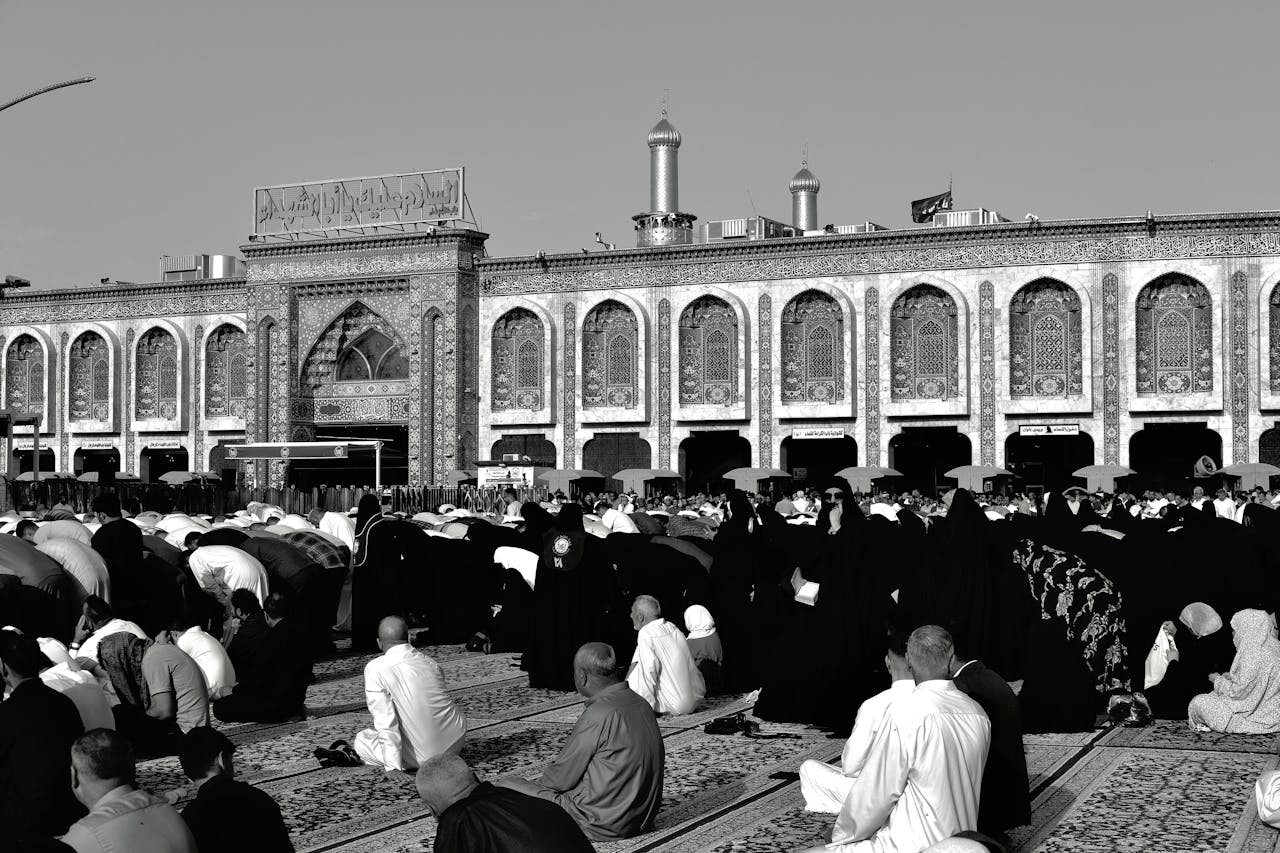
The tenth day of Muharram is called Ashura. Sunni Muslims often mark it by fasting, while Shia Muslims focus strongly on mourning the martyrdom of Imam Husayn at Karbala.
Muharram and Ashura Dates for 2026
Islamic dates can differ by one day because each country may follow its own moon sighting announcement.
Saudi Arabia and UAE Dates
- First Muharram: Tuesday, June 16, 2026
- Ninth Muharram: Wednesday, June 24, 2026
- Ashura, tenth Muharram: Thursday, June 25, 2026
- Eleventh Muharram: Friday, June 26, 2026
Always follow the official moon sighting announcement in your country. A calendar can predict the date, but local religious authorities confirm it.
What Is Muharram?
Muharram is the first month of the Hijri calendar. The Hijri calendar follows the moon and has twelve months.
The word Muharram comes from an Arabic word connected to something that is sacred or forbidden. It reflects the special status of this month and the rule against starting unjust conflict during the sacred months.
Muharram also marks the beginning of a new Islamic year. However, the Islamic New Year is not an Eid. Islam does not require a special party, prayer, meal, or celebration on the first day.
Muslims may use the start of the year to reflect, repent, make better choices, and thank Allah for another year of life.
Why Is Muharram a Sacred Month?
The Quran states that Allah created twelve months and made four of them sacred.
Quran 9:36
Arabic excerpt:
إِنَّ عِدَّةَ الشُّهُورِ عِندَ اللَّهِ اثْنَا عَشَرَ شَهْرًا مِنْهَا أَرْبَعَةٌ حُرُمٌ
Transliteration:
Inna iddata ash shuhuri indallahi ithna ashara shahran, minha arbaatun hurum.
Plain meaning:
Allah made twelve months, and four of them are sacred.
The verse does not name the four months. The Prophet Muhammad ﷺ explained that they are:
- Dhul Qadah
- Dhul Hijjah
- Muharram
- Rajab
Three come one after another. They are Dhul Qadah, Dhul Hijjah, and Muharram. Rajab comes later in the year.
Calling a month sacred does not mean that worship only matters during that month. It means Muslims should take extra care in their actions, avoid wrongdoing, and use their time well.
The Best Fasting After Ramadan Is in Muharram
Muharram has a special link to voluntary fasting.
The Prophet Muhammad ﷺ said:
Arabic:
أَفْضَلُ الصِّيَامِ بَعْدَ رَمَضَانَ شَهْرُ اللَّهِ الْمُحَرَّمُ
Transliteration:
Afdalus siyami bada Ramadana shahrullahi al Muharram.
English meaning:
The best fasting after Ramadan is during Allah’s month of Muharram.
The phrase “Allah’s month” gives Muharram a special honor. It does not mean Muslims must fast the full month. Fasting in Muharram is voluntary.
A person may fast for several days, every Monday and Thursday (the white days), or only on Ashura and the day before it.
Even a single voluntary fast can be valuable when done with sincere faith.
What Is the Day of Ashura?
Ashura is the tenth day of Muharram.
The word Ashura comes from the Arabic word for ten. It is one of the most important days for voluntary fasting in the Sunni tradition and one of the most serious days of mourning in the Shia tradition.
Ashura had religious importance before the Battle of Karbala. The Prophet ﷺ observed fasting on this day because Allah saved Musa and the Children of Israel from Pharaoh.
Karbala later gave the day another deep meaning. Imam Husayn, the grandson of the Prophet ﷺ, was killed with members of his family and supporters on Ashura in 61 AH.
These events explain why Ashura carries both gratitude and grief in Muslim history.
Why Did the Prophet Fast on Ashura?
When the Prophet Muhammad ﷺ came to Madinah, he found Jewish people fasting on Ashura.
They explained that it was the day Allah saved Musa and the Children of Israel from Pharaoh. Musa fasted to thank Allah.
The Prophet ﷺ said Muslims had a close claim to Musa, and he fasted Ashura and encouraged his followers to fast it.
This hadith shows that Muslims honor Musa as a prophet of Allah. Belief in Musa, Isa, Ibrahim, Nuh, and the other prophets is part of Islamic faith.
The Ashura fast is therefore linked to gratitude, victory over oppression, and trust in Allah during hardship.
What Is the Reward for Fasting on Ashura?
The Prophet ﷺ said he hoped that fasting on Ashura would remove the sins of the previous year.
Scholars usually explain this reward as forgiveness for minor sins. Major sins require sincere repentance, leaving the sin, feeling regret, and returning any rights taken from other people.
The promise of forgiveness should not make a person careless about sin. It should encourage honest repentance and a better life.
Ashura fasting is voluntary. A person is not sinful for leaving it, but the reward makes it worth trying when health and circumstances allow.
How to Fast During Muharram
There are several valid ways to fast around Ashura. The strongest clear practice is to fast the ninth and tenth days together.
Option 1: Fast Ashura Only
Fasting the tenth day alone is valid and carries the reward connected to Ashura.
The Prophet ﷺ fasted the tenth day. A person who cannot fast two days may fast Ashura alone.
Some scholars prefer adding another day so the Muslim practice is different from the earlier Jewish practice. However, a person should not leave Ashura completely because another day is not possible.
Option 2: Fast the Ninth and Tenth
Fasting the ninth and tenth is the clearest recommended option.
The Prophet ﷺ said that if he lived until the following year, he would fast the ninth day as well.
He passed away before the next Muharram. His statement shows his intention to add the ninth day.
For Pakistan in 2026, these fasts fall on:
- Thursday, June 25
- Friday, June 26
For Saudi Arabia and the UAE, they fall on:
- Wednesday, June 24
- Thursday, June 25
Option 3: Fast the Tenth and Eleventh
Some scholars allow fasting the tenth and eleventh when a person cannot fast the ninth.
This gives a second day with Ashura and follows the wider goal of not limiting the fast to the tenth alone.
The direct authentic report about the Prophet’s future intention specifically mentions the ninth. For that reason, the ninth and tenth have clearer support from hadith.
Option 4: Fast the Ninth, Tenth, and Eleventh
A person may fast all three days.
This is voluntary and gives three days of worship during a sacred month. Some scholars list it as a strong option because it includes the day before and the day after Ashura.
The hadith support for the ninth is stronger than the reports specifically mentioning the eleventh. Fasting all three remains allowed as general voluntary fasting.
Do You Have to Fast on Ashura?
No. Fasting on Ashura is not Fard.
It was observed before fasting during Ramadan became required. After Ramadan became obligatory, Muslims were allowed to choose whether to fast Ashura.
A person who does not fast Ashura has not missed a required fast. However, the strong reward and practice of the Prophet ﷺ make it an important Sunnah.
People who are ill, pregnant, breastfeeding, traveling, elderly, or facing another health concern should follow Islamic guidance that fits their condition. Medical advice should also be considered when fasting may cause harm.
Sunni and Shia Observance of Muharram
Muharram is part of the full Muslim calendar. It is not a Sunni month or a Shia month.
Sunni and Shia Muslims share respect for Muharram, Ashura, the family of the Prophet ﷺ, and Imam Husayn. Their public practices and main areas of focus often differ.
How Sunni Muslims Observe Muharram
Sunni observance often centers on voluntary fasting. The main religious reason comes from the hadith about Allah saving Musa and the Children of Israel.
Many Sunni Muslims fast the ninth and tenth of Muharram, attend talks, give charity, read Quran, and reflect on the lessons of faith and patience.
Sunni Muslims also love and respect Imam Husayn. His killing at Karbala is viewed as a terrible tragedy and a grave act of injustice.
How Shia Muslims Observe Muharram
For Shia Muslims, Muharram is strongly connected to the death of Imam Husayn at Karbala.
The first ten days are a period of mourning. Many communities hold gatherings known as majalis, listen to accounts of Karbala, recite poetry, wear black, give food, and join remembrance processions.
Practices differ between countries, communities, and schools of thought. They should not be reduced to a single image or a public ritual.
Ashura is not a festive day in Shia tradition. It is a day of grief, remembrance, loyalty, and resistance to oppression.
What Happened at Karbala?
The Battle of Karbala took place in 61 AH, around 680 CE.
Imam Husayn was the grandson of the Prophet Muhammad ﷺ and the son of Ali and Fatimah. He refused to accept the rule of Yazid ibn Muawiyah.
Imam Husayn traveled with members of his family and a small group of supporters. They were stopped near Karbala in present day Iraq.
On the tenth of Muharram, Imam Husayn and many of his companions were killed.
Karbala became a lasting symbol of courage, sacrifice, injustice, and standing for truth even when the cost is high.
Shia Muslims place Karbala at the center of Muharram observance. Sunni Muslims also condemn the killing of Imam Husayn and honor his place in the family of the Prophet ﷺ.
Is Muharram Happy or Sad?
Muharram cannot be placed into one simple emotional box.
It is a sacred month and the start of the Islamic year, which can bring hope and reflection. It is also the month of Ashura and the tragedy of Karbala, which brings sadness.
The Islamic New Year is not an Eid. Muslims are not required to hold a celebration or treat it like a party.
For many Sunni Muslims, Ashura combines gratitude for the rescue of Musa with grief over Karbala.
For Shia Muslims, the early days of Muharram are mainly a time of mourning.
The respectful answer is that Muharram is sacred and serious. Different Muslims may express its meaning in different ways.
Other Recommended Acts During Muharram
Fasting is the best known recommended act during Muharram, but it is not the only useful act.
Repent and Avoid Sin
The Quran warns Muslims not to wrong themselves during the sacred months.
Use Muharram to leave a harmful habit, repair a relationship, return something that is not yours, or ask Allah for forgiveness.
Read and Study the Quran
Set a simple daily goal that you can keep. Even a few verses with meaning and reflection can be more useful than rushing through several pages.
Give Charity
Help a family, support a trusted charity, feed someone, or give quietly to a person in need.
There is no need to invent a special guaranteed reward that the Quran and authentic Sunnah do not promise. Give because charity is a good act throughout the year.
Pray Voluntary Prayers
Night prayer is highly valued. The same hadith that praises fasting in Muharram also says the best prayer after the required prayers is night prayer.
Start with two rakats if a longer prayer feels difficult.
Learn From Musa and Imam Husayn
The story of Musa teaches trust in Allah when escape appears impossible.
The story of Imam Husayn teaches courage when power demands silence and surrender to injustice.
Both stories give Muharram a strong message: truth may be tested, but it should not be traded away.
Conclusion
Muharram is the first month of the Islamic calendar and one of Islam’s four sacred months. It is a time for fasting, repentance, worship, reflection, and care with every action.
Sunni and Shia Muslims place different forms of focus on Muharram, but both traditions recognize its deep importance. The month carries lessons of gratitude through Musa, courage through Imam Husayn, and the need to stand against injustice without losing faith in Allah.
Frequently Asked Questions
Muharram is the first month of the Islamic calendar and one of the four sacred months. Muslims observe it through worship, fasting, reflection, and remembrance.
Many Muslims fast, read the Quran, give charity, pray, repent, and attend religious gatherings.
Sunni Muslims often focus on fasting Ashura. Shia Muslims focus strongly on mourning Imam Husayn and remembering Karbala.
Muharram is part of the shared Islamic calendar. Sunni and Shia Muslims observe it differently, but it does not belong to only one group.
Observed is usually a better word than celebrated.
The first day marks the Islamic New Year, but Islam does not require a party or special celebration. Ashura is a serious day of fasting, gratitude, grief, or remembrance.
No. Fasting during Muharram is voluntary. Ramadan is the required month of fasting. Muharram fasting is a highly recommended extra act.
The clearest recommended days are the ninth and tenth of Muharram. Fasting the tenth alone is valid. Some scholars also allow adding the eleventh.
Yes. Fasting Ashura alone is valid. Adding the ninth is preferred when possible because the Prophet ﷺ intended to fast it.
The hadith promises forgiveness for the previous year. Scholars commonly explain this as minor sins. Major sins require sincere repentance.
The Quran does not name Muharram directly in the verse about sacred months. Quran 9:36 says that four of the twelve months are sacred. The Prophet ﷺ identified Muharram as one of those four.
The Prophet ﷺ called it the month of Allah when speaking about voluntary fasting. This wording gives the month special honor. It does not mean Allah belongs to a time or place.
Muharram lasts 29 or 30 days, like other Islamic lunar months. The exact ending depends on the sighting of the Safar moon.
No. Islam did not begin in Muharram. The Hijri calendar was organized during the rule of Umar ibn al Khattab. The year count was linked to the migration of the Prophet ﷺ from Makkah to Madinah.
You are right
Disgusted with your naration of Muharram. Yazid was a tyrant like his father la and grandfather la. He was in power and the large number of army proves what his intentions were. Of course don’t forget the celebrations yazid (may Allah SWT wrath be on him) had after the event of Karbala. His own wife, daughter and son cursed him for this calamity. I had no idea what rubbish you are promoting, otherwise I would never have paid for Holy Quran to this site. Absolutely disgusted with article.
Muharram is the first month of the Islamic lunar calendar and holds immense sacred significance as one of the four holy months in Islam. This month marks the beginning of the Islamic New Year and is considered a time of reflection, prayer, and spiritual renewal for Muslims worldwide. The most notable observance during Muharram is the Day of Ashura (the 10th day), which commemorates multiple significant events, including the salvation of Prophet Musa (Moses) and the Israelites from Pharaoh, and for Shia Muslims, it particularly marks the martyrdom of Imam Hussein, the grandson of Prophet Muhammad, at the Battle of Karbala. Many Muslims observe fasting on this day, following the tradition of Prophet Muhammad, while others engage in increased worship, charity, and remembrance of Allah. Muharram serves as a powerful reminder of sacrifice, justice, and the importance of standing against oppression, making it a month of both solemn reflection and spiritual rejuvenation in the Islamic faith. https://meemacademia.com/