
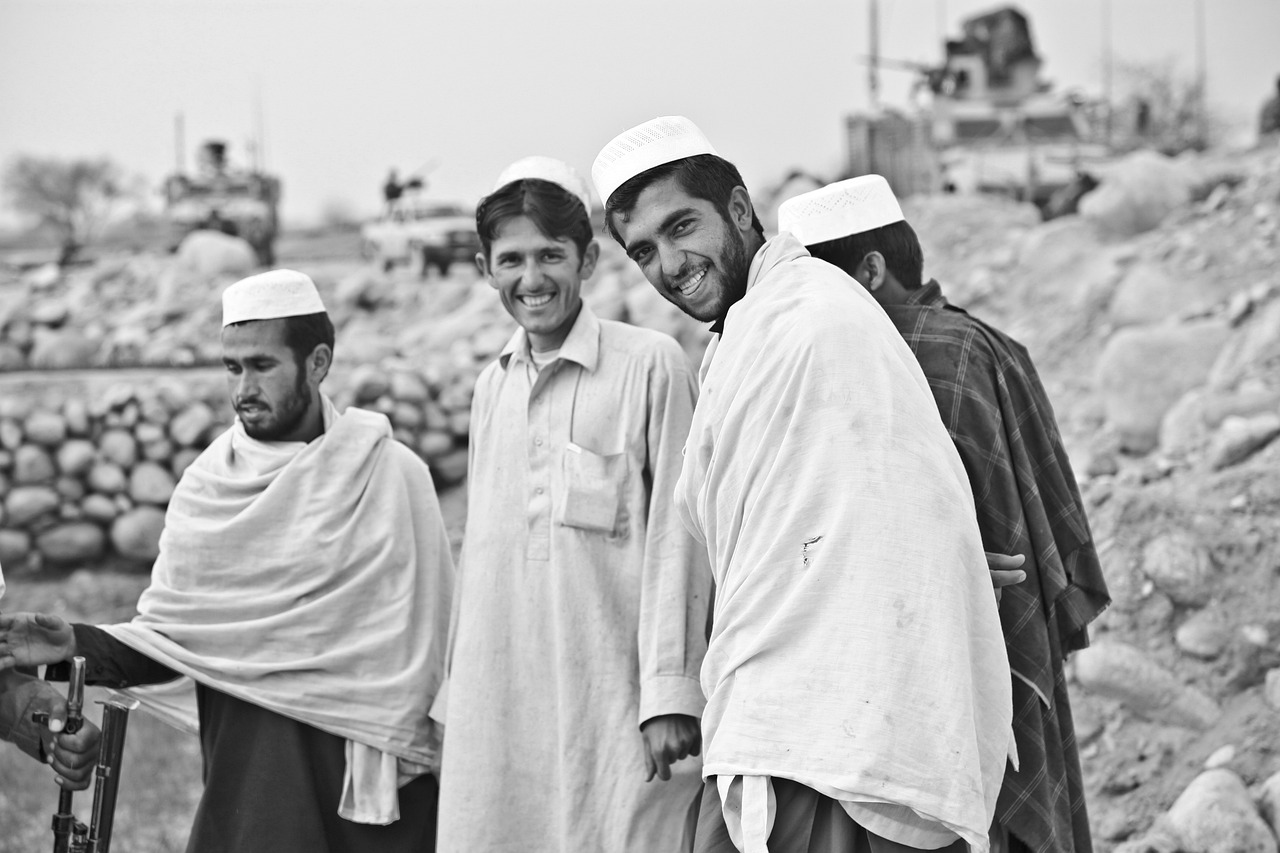
TL;DR
- Wearing a kufi is a sunnah. It was the practice of the Prophet PBUH, his companions, and the pious predecessors of Islam.
- Scholars advise men to wear the kufi in their daily routine, especially while praying. Although prayer without a kufi is valid, it is considered makruh (reprehensible) by some scholars.
- Kufis come in many shapes and designs. They are plain and embroidered. The name of the kufi depends on its region. Such as Topi (Pakistani), Peci (Indonesian), and Fez (Turkish).
- One can wear a kufi whenever they want, but it is preferred for religious gatherings, such as sermons and Eid.
- Choosing the right kufi is essential for comfort (like considering the material, size, and color), and taking proper care of it (gentle washing, drying away from direct sunlight, and storing properly) is necessary to maintain its appearance and quality.
Islam is a religion of modesty, humility, and devotion. It has a rich history tied to tradition and culture, one that emphasizes its impact on civilization through the centuries. A kufi hat is a prime example of this. A simple and brimless hat worn by Muslim men across a range of cultures. This blog is going to explore the history of this distinctive headpiece and its traditional and cultural value while highlighting its presence during the time of our Prophet PBUH.
What Is The Kufi Hat? (Defination + Etymology)
A simple hat that speaks volumes about devotion to faith. A kufi hat, also called a kufi cap, is a simple, soft, and round cap worn by Muslim men as a sign of their devotion to Allah. The linguistic roots of this word can be traced back to early Arabic-speaking religions. where similar head coverings were worn. While its name varies across cultures, such as “Kufi” in African and North African traditions, “Taqiya” in the Arabic world, and “Qalansuwa,” originating in the Abbasid period, each term for the Muslim headwear serves as a symbol for religious identity.
Historical Origins of the Kufi in Islam
The kufi hat is believed to have its name from its origin in the city of Kufa, in present-day Iraq. It had been a tradition since the early stages of Islam for Muslim men to cover their heads. A kufi hat has been one of the most common ways to do this. Some even state that the Prophet PBUH and his companions have also adorned the kufi hat. Although native to Iraq, the meaning of “kufi” is said to have spread through trade routes and migration, where adopting culture and tradition was common.
As time passed and the Islamic world progressed, the terms for this headwear became interchangeable, but the identity they created has remained unchanged throughout the centuries.
Is Wearing A Kufi Sunnah?
Wearing a kufi is a beloved sunnah of our Prophet PBUH. From the great scholars of the religion to the pious predecessors of Islam, the kufi hat has adorned the heads of many Islamic figures. There are several authentic reports that state the Prophet PBUH used to cover his head, not only in prayer but also in daily life. Such as,
Amr b. Huraith said, “The Prophet PBUH preached on Jummah (Friday), and he was wearing a black turban, the ends of it dangling between his shoulders.”
“Abu Bakr (RA) reported that he heard from the son of Mughira that the Messenger of Allah (PBUH) performed ablution, wiping over his forehead, his turban, and his socks.”
Based on the above reports and others, the Hanafi scholars recommend covering the head whenever possible and state that it is generally undesirable to keep the head exposed. That being said, it is permissible to only wear the kufi at times of prayer. Sheikh Shafiur Rehman, a Hanafi scholar, states that “it is not a bidah, and it is fine to wear a hat only for prayer times as long as one doesn’t think it is a requirement for salah.”
As for praying salah without a kufi, the following is what the scholars state:
- Hanafi: The great jurist, Allamah al-Haskafi, mentions in his book Al-Durr al-Mukhtar that it is makruh (reprehensible) to offer salah without covering one’s head.
- Shafi: Ibn Hajar al-Haytami states in his book Tuhfat al-Muhtaj that praying while the head is uncovered for a man (non-pilgrim) is makruh (disliked).
Spiritual Importance And Symbolism Of The Kufi
Throughout history, a kufi hat has remained an integral part of Muslim men’s attire and has served as a marker of religious identity. It is not just a piece of fabric that covers the head; rather, it is an affirmation of one’s humility. It is a subtle reminder of devotion to faith and complete submission before the creator. It serves as a way to unite the Muslim ummah. Whether it is a Muslim doing dawah (calling people to Islam) or someone praying in their house, the kufi highlights their devotion to the religion.
Types Of Kufi Hats Across The Muslim World
There are various styles of kufis, each representing a rich culture, emphasizing regional traditions and highlighting the intricate craftsmanship of the community. The continent of South Asia has the Topis (Pakistani) and the Peci (Indonesian). Made with cotton or felt, these hats are manufactured to be light and airy. Mostly designed to be plain or of one color, they offer unlimited styling options.
The African continent completely flips this style. With Nigerian and Moroccan kufis being bold and extravagant. Hand-embroidered to perfection, these kufis reflect the artistry of the locals. The Turkish Fez comes next. With its manufacturing done in a way that makes one feel like Muslim royalty, this kufi originated during the 19th century. It has roots in the Ottoman Empire. Made from felt with a tassel on top, the red fez is considered traditional headwear for the Turkish people.
When Should Muslim Men Wear The Kufi?
Wearing a kufi hat is not mandatory for a Muslim man. However, there are certain situations where one can wear a kufi. During festivals like Eid and celebrations like weddings. When attending a religious gathering, such as a sermon or a funeral prayer. One can also wear it in daily life to follow the sunnah of the Prophet PBUH.
Common Misconceptions About The Kufi
There are several misconceptions surrounding this headwear. Many think that praying without a kufi is invalid. This is false. The opinions of scholars mentioned above clearly state that although it is disliked to offer salah without a kufi, the prayer will still remain valid. Some also think it is meant only for elders. This is also incorrect. A kufi is a part of Muslim men’s attire regardless of their age. Many parents encourage their children, even toddlers, to wear the kufi, providing them with an upbringing that aligns them with the beloved sunnah of our Prophet, PBUH.
How To Choose, Wear, And Care For Your Kufi
Selecting The Right Kufi
A kufi is part of one’s dress. Just like buying clothes requires careful consideration, selecting a kufi is no different. Here are a few things to keep in mind when adding a kufi to the wardrobe.
- Material: Cotton, felt, or lightweight wool is the ideal material for a hotter climate. They are light and airy to help keep the scalp and hair healthy. Velvet or linen is perfect for colder climates. Whereas silk works in both climates, but is often a choice for formal events.
- Size: A kufi with a comfortable fit is essential for comfort and proper styling. Most kufis are sold in standard sizes that vary by age group. For example, there are sizes for toddlers, teens, and young adults. However, if one can’t find their size in the market, there are options to have them sewn to custom measurements.
- Color: Choosing the color of a kufi depends mostly on the occasion. Neutral colors, such as white, black, and brown, are ideal for everyday wear, while blue, green, and red are more suitable for formal occasions.
Styling The Kufi
Kufis offer endless styling options. From traditional to formal attire, a kufi can elevate any outfit. If going for a clean and sophisticated look, a neutral-colored kufi should be the first choice. Whether it is worn with a tailored suit or a western fit, it adds a touch of elegance and timeless appeal. If the outfit is a thobe, a multi-colored or embroidered kufi is optimal for a casual look.
Taking Care Of The Kufi
Proper care of the kufi is essential for maintaining its quality and appearance. Gentle machine or hand washing, avoiding harsh detergents, drying in a well-ventilated place away from direct sunlight, and storing the cap in its natural shape rather than leaving it crumpled or stuffed, ensures the kufi remains in good condition.
Conclusion
The kufi serves as a symbol of unity and devotion to Islam. Dating back to the early times of Islam, this simple cap showcases centuries of traditions passed through generations. Although not mandatory, it offers great spiritual reward and is a way to grow closer to the Prophet PBUH and Islam.
FAQs
Wearing a kufi is a sunnah of the Prophet PBUH. Muslim men wear kufis to honor this sunnah and follow in the footsteps of the Prophet PBUH.
Yes, wearing a kufi is a sunnah of the Prophet Muhammad PBUH.
No. Wearing a kufi is not mandatory, but since it is a sunnah, scholars advise wearing it.
A kufi hat symbolizes humility, devotion, and unity for Muslims.
No. Sheikh Shafiur Rehman, a Hanafi scholar, states that “it is not a bidah, and it is fine to wear a hat only for prayer times as long as one doesn’t think it is a requirement for salah.”
The skullcap is worn as a sign of respect and to honor the sunnah of the Prophet PBUH. It denotes humiliation and devotion to Allah and Islam.
MONSHA ALLAH ITS SO BENEFITED