
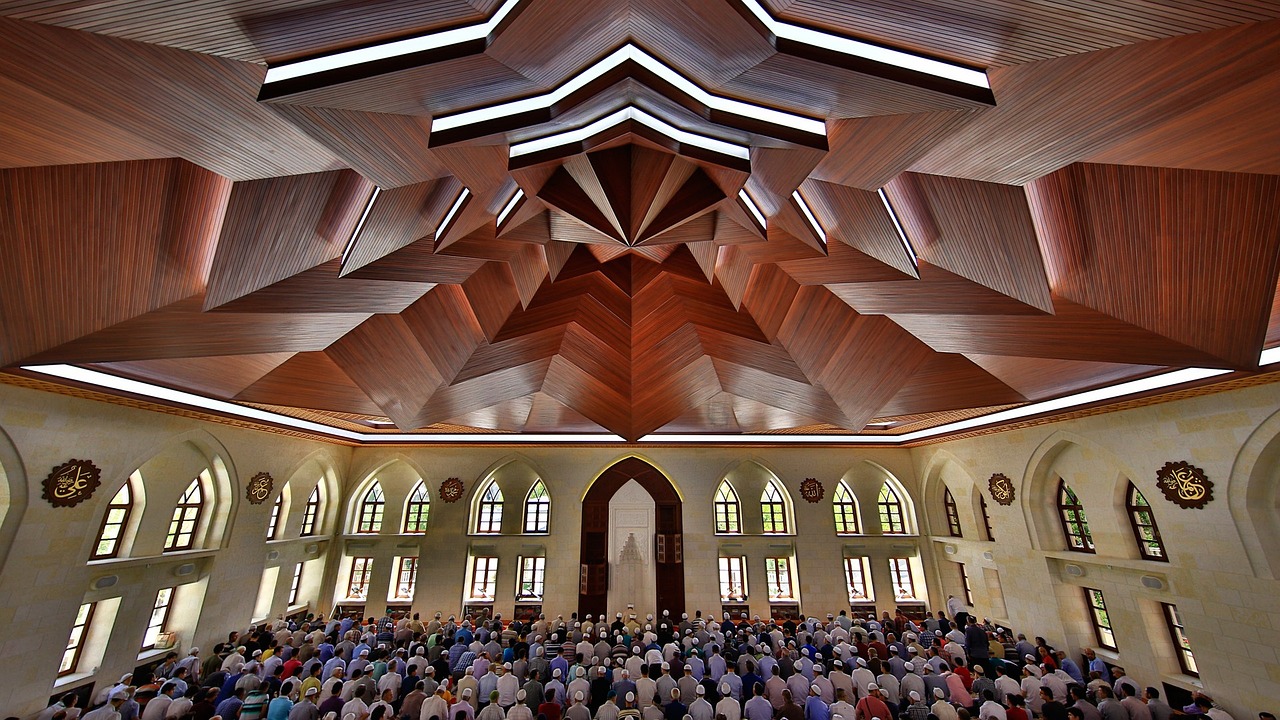
TL;DR
- Taraweeh is a special night prayer in Ramadan.
- You can make niyyah in your heart before Taraweeh.
- Tasbeeh e Taraweeh is often read after every 4 rakats.
- The dua after Taraweeh can be any sincere dua.
- The Laylat al Qadr dua is one of the best duas in Ramadan.
- Taraweeh may be prayed as 8 or 20 rakats.
- Taraweeh is not only about finishing rakats. It is about standing before Allah with faith.
Many Muslims pray Taraweeh in Ramadan but feel unsure about which dua to read and when to read it.
This guide keeps it simple. You will find the dua before Taraweeh, the dua between each 4 rakat set, and the dua after Taraweeh.
Part 1: Dua and Niyyah Before Taraweeh Prayer
You do not need a long spoken dua to start Taraweeh. The main thing is to know in your heart that you are praying Taraweeh for Allah.
Simple intention in English:
I intend to pray Taraweeh for Allah in Ramadan.
Simple transliteration:
Nawaytu an usalli salat at Taraweeh lillahi ta ala.
Plain meaning:
I intend to pray Taraweeh for Allah Most High.
You can say this softly, or you can keep it in your heart. Allah knows your intention before you speak.
When to make this intention:
• Before starting Taraweeh
• Before joining the imam
• Before praying alone at home
Part 2: Tasbeeh e Taraweeh: Dua Between Every 4 Rakats
Tasbeeh e Taraweeh is the dua many Muslims read during the short break after every 4 rakats of Taraweeh.
It is a way to praise Allah while resting between prayer sets.
It is not required for the Taraweeh prayer to count. If you do not know it, your prayer is still valid.
What is Tasbeeh e Taraweeh?
Tasbeeh means glorifying Allah.
In Taraweeh, this tasbeeh is usually read after 4 rakats, then again after the next 4 rakats, and so on.
Many mosques recite it together. Some people read it alone. Some people make a personal dua instead.
All of these are simple ways to remember Allah during the break.
Full Arabic Text
سُبْحَانَ ذِي الْمُلْكِ وَالْمَلَكُوتِ
سُبْحَانَ ذِي الْعِزَّةِ وَالْعَظَمَةِ وَالْهَيْبَةِ وَالْقُدْرَةِ وَالْكِبْرِيَاءِ وَالْجَبَرُوتِ
سُبْحَانَ الْمَلِكِ الْحَيِّ الَّذِي لَا يَنَامُ وَلَا يَمُوتُ
سُبُّوحٌ قُدُّوسٌ رَبُّنَا وَرَبُّ الْمَلَائِكَةِ وَالرُّوحِ
لَا إِلَهَ إِلَّا اللهُ نَسْتَغْفِرُ اللهَ
نَسْأَلُكَ الْجَنَّةَ وَنَعُوذُ بِكَ مِنَ النَّارِ
Transliteration
Subhana dhil mulki wal malakut.
Subhana dhil izzati wal azamati wal haybati wal qudrati wal kibriyai wal jabarut.
Subhanal malikil hayyil ladhi la yanamu wa la yamut.
Subbuhun quddusun rabbuna wa rabbul malaikati war ruh.
La ilaha illallah. Nastaghfirullah.
Nas alukal jannata wa na udhu bika minan nar.
English Meaning
Glory be to the Owner of the kingdom and the unseen kingdom.
Glory be to the Owner of honor, greatness, awe, power, majesty, and might.
Glory be to the King, the Ever Living, who neither sleeps nor dies.
He is pure and holy, our Lord and the Lord of the angels and the Spirit.
There is no god but Allah. We ask Allah for forgiveness.
We ask You for Paradise, and we seek Your protection from the Fire.
When to Recite It
Read it after every 4 rakats of Taraweeh during the short break.
If you forget it, do not panic. Your Taraweeh is still valid.
Part 3: Dua After Completing Taraweeh
After Taraweeh, you can make any dua.
Ask Allah for forgiveness, mercy, guidance, good health, strong faith, and safety from Hellfire.
A simple dua after Taraweeh:
Arabic:
رَبَّنَا تَقَبَّلْ مِنَّا إِنَّكَ أَنْتَ السَّمِيعُ الْعَلِيمُ
Transliteration:
Rabbana taqabbal minna innaka antas sami ul aleem.
English meaning:
Our Lord, accept this from us. You are the All Hearing, the All Knowing.
You can also ask Allah in your own words. Keep it honest. Keep it direct.
The Aisha Dua for Forgiveness
This dua is strongly linked to the last 10 nights of Ramadan and to Laylat al Qadr.
It is short, easy to learn, and full of meaning.
Arabic:
اللَّهُمَّ إِنَّكَ عَفُوٌّ تُحِبُّ الْعَفْوَ فَاعْفُ عَنِّي
Transliteration:
Allahumma innaka afuwwun tuhibbul afwa fa fu anni.
English meaning:
O Allah, You are forgiving and love forgiveness, so forgive me.
When to Read It
• During Taraweeh
• After Taraweeh
• In sujood
• During the last 10 nights of Ramadan
• While making a personal dua at home
This dua is simple, but it hits deep. We ask Allah not only to forgive us, but to erase our sins with mercy.
The Hadith on the Reward of Taraweeh Prayer
The reward of standing in prayer during Ramadan is huge.
The Prophet Muhammad said that whoever stands in prayer during Ramadan with faith and hope for reward will have past sins forgiven.
Source: Sahih Bukhari and Sahih Muslim
This hadith explains the heart of Taraweeh.
It is not a race to finish. It is not only about the number of rakats. It is about standing before Allah with belief, hope, and humility.
8 Rakats or 20 Rakats?
Muslims may pray Taraweeh as 8 rakats or 20 rakats.
Many scholars accept both.
The 8 rakat view is linked to reports about the Prophet’s night prayer.
The 20-rakat practice is linked to the time of Umar ibn al-Khattab and became common in many Muslim lands.
In many mosques, especially in South Asia, Turkey, and parts of the Arab world, people pray 20 rakats.
In other communities, people pray 8 rakats.
The better question is not only “8 or 20?”
The better question is:
- Did I pray with focus?
- Did I listen to the Quran?
- Did I ask Allah for forgiveness?
- Did I come out better than I started?
Special Duas for the Last 10 Nights of Ramadan
The last 10 nights of Ramadan are the most important nights of the month.
Muslims search for Laylat al Qadr during these nights.
Laylat al Qadr is better than a thousand months, so dua matters even more.
Best dua for the last 10 nights:
Arabic:
اللَّهُمَّ إِنَّكَ عَفُوٌّ تُحِبُّ الْعَفْوَ فَاعْفُ عَنِّي
Transliteration:
Allahumma innaka afuwwun tuhibbul afwa fa fu anni.
English meaning:
O Allah, You are forgiving and love forgiveness, so forgive me.
Other simple duas to make:
• O Allah, forgive my sins.
• O Allah, guide my heart.
• O Allah, protect my family.
• O Allah, grant me Jannah.
• O Allah, save me from the Fire.
• O Allah, accept my fasting and prayer.
• O Allah, make me better after Ramadan.
Printable Quick Card
- Before Taraweeh:
I intend to pray Taraweeh for Allah.
- After every 4 rakats:
Read Tasbeeh e Taraweeh, or make personal dua.
- After Taraweeh:
Ask Allah to accept your prayer.
- Best Ramadan dua:
Allahumma innaka afuwwun tuhibbul afwa fa fu anni.
Meaning:
O Allah, You are forgiving and love forgiveness, so forgive me.
Conclusion
Taraweeh is a gift in Ramadan.
You do not need to know every long dua to start. Make your intention, pray with focus, praise Allah during the breaks, and ask Him for forgiveness.
Small, sincere duas are better than long words with no heart.
Frequently Asked Questions
You can read Tasbeeh e Taraweeh after every 4 rakats. You can also make any personal dua during breaks and after prayer.
Many Muslims recite Tasbeeh e Taraweeh after every 4 rakats. It begins with Subhana dhil mulki wal malakut.
No. It is commonly read in many places, but Taraweeh is still valid if you do not recite it.
You pray 2 rakats at a time until you complete 20 rakats. Many mosques pause after every 4 rakats.
Yes. Many Muslims pray 8 rakats. Many others pray 20 rakats. Both are followed by Muslims.
One of the best duas is: Allahumma innaka afuwwun tuhibbul afwa fa fu anni. It means: O Allah, You are forgiving and love forgiveness, so forgive me.
Yes. You can make a personal dua after prayer, during breaks, and in sujood if you are praying alone.
Yes. Women can pray Taraweeh at home. They may also pray in the mosque if it is safe and suitable.
Yes. You can read the dua from your phone outside the actual prayer movements, such as during the break after 4 rakats.
The Prophet said that whoever stands in prayer during Ramadan with faith and hope for reward will have past sins forgiven.